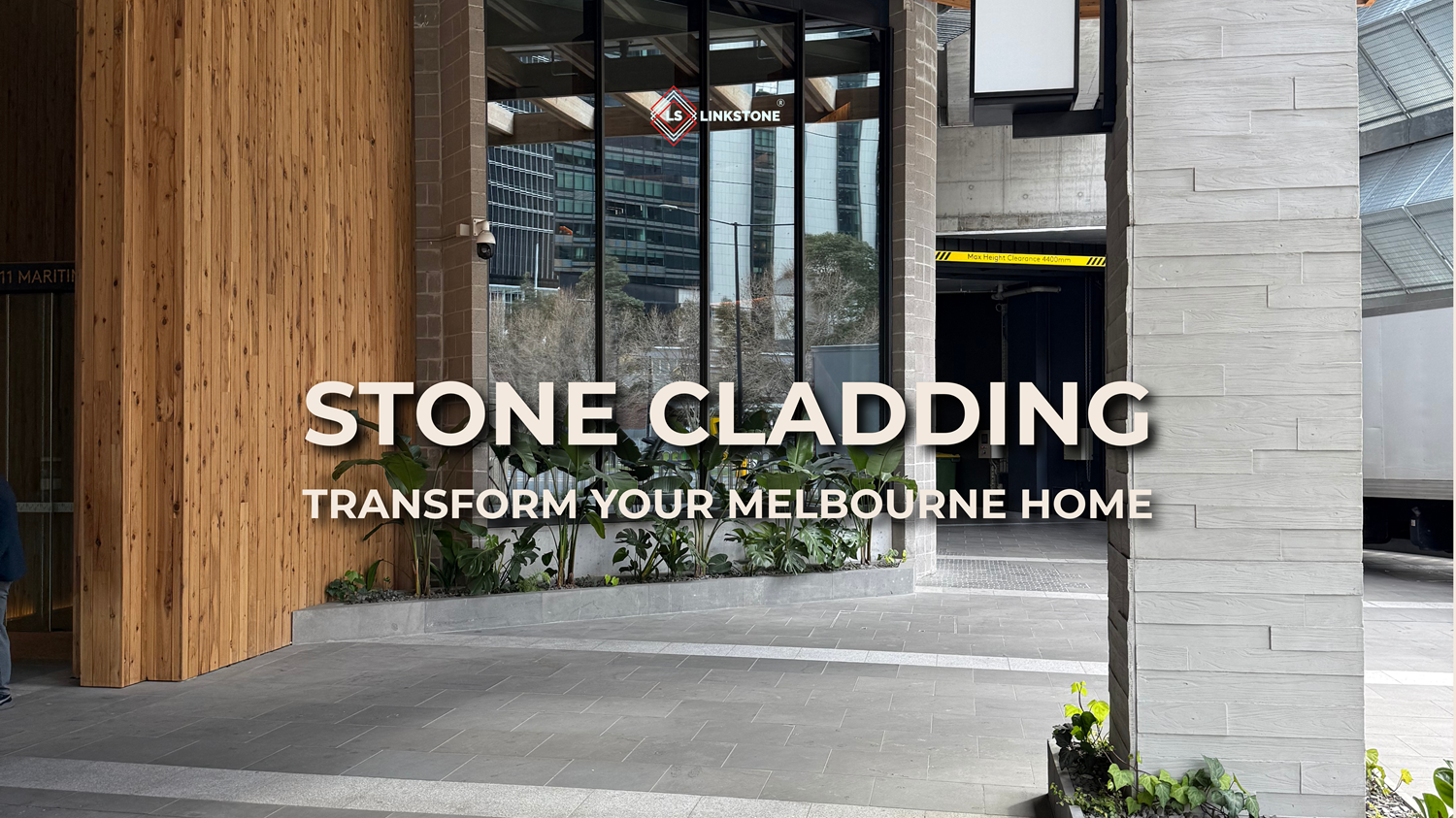
Melbourne homeowners are choosing stone cladding as a versatile way to revolutionize their properties. The process attaches another material to the outside of walls and creates a striking esthetic with materials like stone, brick, timber, or metal panels. Stone wall cladding adds a timeless elegance and rustic charm that can lift any space.
The benefits of stone cladding are substantial for Melbourne’s variable climate, both inside and out. Once installed, stone cladding needs minimal upkeep and gives you impressive design flexibility with various textures, colors, and finishes. On top of that, it uses genuine stone pieces like sandstone, limestone, and slate that provide authentic texture and uniqueness.
In this piece, we’ll get into the key differences between interior and exterior stone wall cladding applications. This will help you decide which option works best for your Melbourne home. You’ll learn about installation requirements, costs, and ways to work with residential stone cladding experts to achieve your property’s perfect look.
Interior Stone Cladding in Melbourne Homes
Stone cladding looks amazing when used inside Melbourne homes. It turns ordinary walls into stunning focal points and offers more than just good looks.
Popular Materials: Slate, Limestone, and Veneer Stone
Slate cladding catches everyone’s eye with its dramatic colors and natural layered textures that create beautiful architectural statements. The split-face finish creates strong shadow lines that add depth to your space. Slate keeps its looks over time with little fading, which makes it perfect for long-term use.
Limestone brings elegant, neutral tones and smooth textures that work well with both traditional and modern designs. Its soft colors – from cream and white to beige – create a clean, sophisticated look in Melbourne homes.
Veneer stone looks just like natural stone but weighs less and costs less too. This lightweight option makes installation easier on existing structures while giving you the same beautiful look as full-thickness stone. Melbourne homeowners can be more flexible with where they use it without losing any of the beauty.
Best Rooms for Application: Living Rooms, Fireplaces, Entryways
Living rooms look amazing with stone-clad feature walls that work as beautiful backdrops for furniture. These walls become compelling focal points that don’t overwhelm the space.
Stone-clad fireplaces become impressive centerpieces instead of simple functional features. They also work as natural insulators and help keep heat in the room.
Your entryway sets the tone for your home, and stone cladding in foyer areas creates an unforgettable first impression. Many Melbourne homeowners like to combine their stone walls with shelving to display decorative items or plants.
Benefits: Acoustic Insulation, Visual Warmth, Low Maintenance
Stone naturally absorbs sound and reduces noise levels in rooms by a lot. Sound waves hit stone surfaces and get absorbed instead of bouncing back. The dense makeup of natural stone cuts down on echoes and creates comfortable acoustic spaces.
Stone’s natural textures and earthy tones bring visual warmth to any space. People used to think stone walls were cold and impersonal, but now they’re known to create comfortable luxury and sophistication.
These walls need less care than painted or rendered ones. A quick clean with mild detergent is enough to keep your interior stone cladding looking great.
Trends in Interior Stone Wall Cladding Melbourne
Melbourne homeowners now prefer natural color palettes with earthy hues that add organic warmth to modern spaces. Gray, beige, and brown shades create calm, harmonious looks that blend naturally with different interior styles.
Single accent walls are becoming more popular, especially with travertine. These statement walls make a big impact without feeling too heavy.
Exterior Stone Cladding for Melbourne Weather
Melbourne’s unpredictable climate presents unique challenges for home exteriors. Morning frost, scorching heat, and sudden downpours all test building materials to their limits. Exterior stone cladding performs exceptionally well in these varying conditions, providing both protection and visual appeal.
Material Durability: Natural Stone vs Silicia Free Engineered Stone
Natural stone, including granite, bluestone, limestone, and travertine, delivers unmatched longevity with inherent strength and weather resistance. Granite stands out for its exceptional hardness and non-porous structure and effectively handles moisture and extreme temperature changes. Silicia Free Engineered stone, made from crushed quartz crystals and resin, offers more consistency in color and pattern while providing excellent stain resistance.
Weatherproofing and UV Resistance
Premium stone wall cladding can resist all weather conditions and provide heat resistance. Quality stone cladding remains waterproof, mold-resistant, and withstands UV rays without fading or deteriorating over time. These properties allow natural stone to handle Melbourne’s weather shifts without cracking, warping, or fading.
Common Applications: Facades, Garden Walls, Pillars
Exterior applications include building facades, boundary walls, garden features, and decorative pillars. Stone-clad pillars introduce architectural depth and visual texture that instantly improve property presence. Stacked stone creates interesting visual effects on building exteriors.
Benefits: Curb Appeal, Structural Protection, Property Value
Beyond esthetics, stone cladding acts as a natural insulator, helping regulate indoor temperatures by keeping spaces cooler in summer and warmer in winter. Experts say adding stone cladding improves perceived property value through its premium appearance and functional benefits. It also provides structural protection, shielding exterior brickwork from weathering and reducing erosion.
Comparing Interior vs Exterior Stone Cladding
Choosing between interior and exterior stone cladding involves thinking over several key factors that affect both the installation process and long-term satisfaction.
Installation Requirements and Challenges
Interior applications usually involve simpler installation processes, but exterior cladding just needs additional weatherproofing measures and structural considerations. Exterior stone often requires skilled professionals due to the labor-intensive and detail-oriented nature of the work. For older Melbourne buildings, structural reinforcement might be necessary to support the added weight, increasing both cost and installation time. Multi-story installations must comply with National Construction standards.
Maintenance Needs Over Time
Although stone cladding is generally low-maintenance, exterior applications require
more attention. Outdoor cladding needs sealing twice yearly, versus once for interior applications. Both types may develop cracks or chips over time, yet exterior cladding faces additional challenges from moss and algae accumulation in damp conditions.
Design Flexibility and Customisation
Both applications offer substantial customisation options, including textures, finishes, and colors. But exterior cladding materials must prioritize weatherproofing capabilities, while interior options focus more on esthetic versatility and acoustic properties.
Choosing the Right Option for Your Home
Deciding on the perfect stone cladding solution just needs a tailored approach based on your specific needs and property characteristics.
When to Choose Interior Stone Cladding
Interior stone cladding works best for creating sophisticated focal points through fireplace surrounds, feature walls in bedrooms or dining areas, and kitchen applications including island fronts. This option excels in spaces where you want to add texture and character without overwhelming the room. Choose interior cladding if you’re looking to boost acoustic insulation, as natural stone has sound-absorbing qualities that reduce noise levels within rooms.
When Exterior Cladding Makes More Sense
Opt for exterior stone cladding if weatherproofing is a priority. In Melbourne’s variable climate, exterior applications protect against rain, wind, and sun exposure through complete facade treatments, feature walls, or boundary elements. This choice is valuable if you want to increase property value, as exterior stone cladding boosts curb appeal and provides structural protection to your home’s exterior walls.
Working with Residential Stone Cladding Experts in Melbourne
Professional installation will give a proper weatherproofing, correct adhesive application, and accounts for thermal movement in Melbourne’s changing climate. Not sure whether interior or exterior stone cladding is right for your home? Let Linkstone’s Melbourne stone specialists guide you with expert material selection, design advice, and flawless installation.
Conclusion
Stone cladding is a great investment for Melbourne homeowners looking for both practical and esthetic benefits. After really looking at both options, it’s clear that each serves different purposes while boosting property value.
Interior stone cladding turns ordinary spaces into visually stunning rooms with great acoustic benefits. Living rooms, fireplaces, and entryways especially benefit from materials like slate, limestone, and veneer stone. On top of that, the minimal maintenance requirements make interior applications appealing for busy homeowners who still want luxury finishes.
But exterior applications offer remarkable durability against Melbourne’s unpredictable weather. Natural and silicia free engineered stone options provide excellent protection and boost curb appeal. So, the higher original investment usually gives substantial returns, with manufactured stone veneer delivering up to 153% ROI.
Your decision between interior and exterior stone cladding will depend on your specific goals. Choose interior applications to create focal points and enhance acoustic properties. Alternatively, go for exterior cladding to weatherproof, protect structurally, and maximize property value.
Whatever your choice, consulting with Melbourne stone specialists will give a proper material selection and installation. Both options deliver timeless appeal, exceptional durability, and great value—making stone cladding a wise choice for any Melbourne home looking for character and difference without too much maintenance.
FAQs
Q1. What are the main advantages of stone cladding for Melbourne homes?
Stone cladding offers durability, low maintenance, and excellent insulation properties. It enhances the esthetic appeal of both interior and exterior spaces while potentially increasing property value.
Q2. How does exterior stone cladding perform in Melbourne’s variable climate?
Exterior stone cladding is highly resistant to Melbourne’s weather conditions. It withstands UV rays, moisture, and temperature changes without fading or deteriorating, providing long-lasting protection for your home.
Q3. Is interior stone cladding suitable for all rooms in a house?
While interior stone cladding can be used in various spaces, it’s particularly effective in living rooms, around fireplaces, and in entryways. These areas benefit from the visual warmth and acoustic insulation properties of stone.
Q4. How does the cost of interior stone cladding compare to exterior applications?
Interior stone cladding is generally less expensive than exterior applications. However, exterior stone cladding often provides a higher return on investment, potentially increasing property value significantly.
Q5. Are there any maintenance concerns with stone cladding?
Stone cladding is generally low-maintenance, but exterior applications may require more attention. Regular cleaning and occasional sealing are typically sufficient to keep stone cladding in good condition, with exterior cladding needing slightly more frequent care.